NDEAM turns 75

This year marks the 75th anniversary of National Disability Employment Awareness Month (NDEAM), which is observed annually in October. NDEAM raises awareness about disability employment issues and celebrates the many and varied contributions of America’s workers with disabilities.

This year’s theme is theme “Increasing Access and Opportunity.” As the nation continues to be effected by the COVID-19 pandemic, it is vital to increase the participation of workers with disabilities in the nation’s workforce. “Ensuring that America’s workplaces continue to include and accommodate people with disabilities will be an important part of our economic rebound,” says U.S. Secretary of Labor Eugene Scalia. “Looking ahead, the Department will remain focused on the policies that led to a strong economy and record-low unemployment rates for persons with disabilities prior to the pandemic. A vigorous economic rebound and job growth will, alongside the Americans with Disabilities Act, increase access and opportunity for Americans with disabilities.”

NDEAM’s true spirit lies in the many observances held at the grassroots level across the nation every year. Employers of all sizes and in all industries participate in NDEAM.

“People with disabilities are experienced problem solvers with a proven ability to adapt,” says Office of Disability Employment Policy Deputy Assistant Secretary, Jennifer Sheehy. “Now more than ever, flexibility is important for both workers and employers. National Disability Employment Awareness Month celebrates the ingenuity people with disabilities bring to America’s workplaces.”

NDEAM celebrates America’s workers with disabilities and reminds employers of the importance of inclusive hiring practices. NDEAM began in 1945, when Congress declared the first week in October “National Employ the Physically Handicapped Week.” The word “physically” was deleted in 1962 to include individuals with all types of disabilities. In 1988, Congress expanded the week to a month and changed the name NDEAM. Since 2001, NDEAM has been administered by the U.S. Department of Labor’s Office of Disability Employment Policy (ODEP).

Find out more about NDEAM and its 75th Anniversary.

Read the Presidential Proclamation.

Read the Multi-Agency Task Force on Increasing Employment Opportunities for Americans with Disabilities NDEAM Statement.

Virtual workshops for consumers cover voting, other topics

Voting in the upcoming election

During a recent virtual workshop presented by the Ellen Beach Mack Rehabilitation Center (EBMRC), consumers learned about the voting process, the unique challenges presented by the pandemic, and the different accessibility options available to voters.

John Michael Catalano and Hampton Miller, from the South Carolina Election Commission, discussed the process for voting by mail and utilizing absentee ballots. They reminded attendees that, due to a recent court decision, absentee ballots must have both the voter’s signature and a witness’s signature for the vote to be counted.

Next, they talked about the process for in-person voting and the accessibility options available to all voters. All voting machines in each polling location have accessibility features, and all poll workers have been trained in how to use those features.

Catalano and Miller informed consumers that they can bring someone with them to the precinct to help them use the accessibility options when casting their vote. They also talked about how individuals can request help from a poll worker and what to expect.

Miller and Catalano stressed that if a person needs assistance from a poll worker, they have to ask for help. The poll workers will not assume a person needs assistance even if that person has a visible disability.

They also stressed that all ballots are anonymous, and using accessibility features does not change this. The only information recorded about each voter is whether they actually cast a ballot.

Anyone who has questions about the voting process or how to use the accessibility features of the voting machines can visit the SC Election Commission, or contact John Catalano at jcatalano@elections.sc.gov.

Talking Book Services

Kristin White, Director of South Carolina Talking Book Services, spoke about how they had resumed services to individuals in June, and the various ways that talking books, large print titles, Braille books, or descriptive videos could be ordered by phone, mail, fax, email or online catalog.

Talking Book Services is a free braille and talking book library service for people with temporary or permanent low vision, blindness, or a physical disability that prevents them from reading or holding the printed page.

To qualify for Talking Book Services, a person must have some type of disability which has been verified by a certifying authority, which includes–but is not limited to–medical doctors, optometrists, and rehabilitation counselors. Complete eligibility information and how to apply is available on the Talking Book Services website.

White also said that librarians at every public library around the state can certify a person qualifies for Talking Book Services if they have a visible disability.

Other Workshops

Other business presenters at workshops have included Crystal Brunson, Rehabilitation Counseling Specialist at Sothern Illinois Carbondale, and Jessica Smith, a Certified Yoga Instructor and member of Yoga Alliance. As part of a series on career exploration, former consumers who are competitively employed talked about the services and training they received from SCCB, their career interests, and how they achieved employment.

Future workshops

Upcoming workshops at the EBMRC will include a virtual cooking lesson. Participants will receive a list of ingredients and will be able to prepare a simple dish by following along with instructor Robin Glenn. EBMRC Workshops are held each week, Monday, Wednesday, and Friday at 10 am.

Celebrate the 75th Anniversary of NDEAM

This year marks the 75th anniversary of National Disability Employment Awareness Month (NDEAM), which is observed annually in October. NDEAM raises awareness about disability employment issues and celebrates the many and varied contributions of America’s workers with disabilities.

This year’s theme is “Increasing Access and Opportunity.” As the nation continues to be effected by the COVID-19 pandemic, it is vital to increase the participation of workers with disabilities in the nation’s workforce.

“Ensuring that America’s workplaces continue to include and accommodate people with disabilities will be an important part of our economic rebound,” says U.S. Secretary of Labor Eugene Scalia. “Looking ahead, the Department will remain focused on the policies that led to a strong economy and record-low unemployment rates for persons with disabilities prior to the pandemic. A vigorous economic rebound and job growth will, alongside the Americans with Disabilities Act, increase access and opportunity for Americans with disabilities.”

NDEAM’s true spirit lies in the many observances held at the grassroots level across the nation every year. Employers of all sizes and in all industries participate in NDEAM.

“People with disabilities are experienced problem solvers with a proven ability to adapt,” says Office of Disability Employment Policy Deputy Assistant Secretary, Jennifer Sheehy. “Now more than ever, flexibility is important for both workers and employers. National Disability Employment Awareness Month celebrates the ingenuity people with disabilities bring to America’s workplaces.”

NDEAM celebrates America’s workers with disabilities and reminds employers of the importance of inclusive hiring practices. NDEAM began in 1945, when Congress declared the first week in October “National Employ the Physically Handicapped Week.” The word “physically” was deleted in 1962 to include individuals with all types of disabilities. In 1988, Congress expanded the week to a month and changed the name to NDEAM. Since 2001, NDEAM has been administered by the U.S. Department of Labor’s Office of Disability Employment Policy (ODEP).

Find out more about NDEAM

Read the Presidential Proclaimation

Read the Multi-Agency Task Force on Increasing Employment Opportunities for Americans with Disabilities NDEAM Statement

Celebrating a century of success — VR’s 100th Anniversary

This year was the 100th anniversary of the first federally funded program to assist people with disabilities who had not acquired their disabilities as a result of serving in the military.

President Woodrow Wilson signed the Smith-Fess Act of 1920, also known as the Industrial Rehabilitation Act and referred to as “The National Civilian Vocational Rehabilitation Act,” into law June 2, 1920.

As part of the celebration, the Rehabilitation Services Administration (RSA) developed a historical perspective video. In addition, the VR Workforce Studio has a VR Turns 100 Podcast discussing this milestone with RSA Commissioner Mark Schultz.

Find out more about the VR 100th Anniversary.
VR’s 100th Anniversary

This year is the 100th anniversary of the first federally funded program to assist people with disabilities who had not acquired their disabilities as a result of serving in the military.

President Woodrow Wilson signed the Smith-Fess Act of 1920, also known as the Industrial Rehabilitation Act and referred to as “The National Civilian Vocational Rehabilitation Act,” into law June 2, 1920.

As part of the celebration, the Rehabilitation Services Administration (RSA) has developed a historical perspective video, The State Vocational Rehabilitation Services Program – The First 100 Years. In addition, the VR Workforce Studio has a VR Turns 100 Podcast discussing this milestone with Mark Schultz, RSA Commissioner.

Find out more about VR100 at the VR100 website.

Students show off skills at Tech Olympics

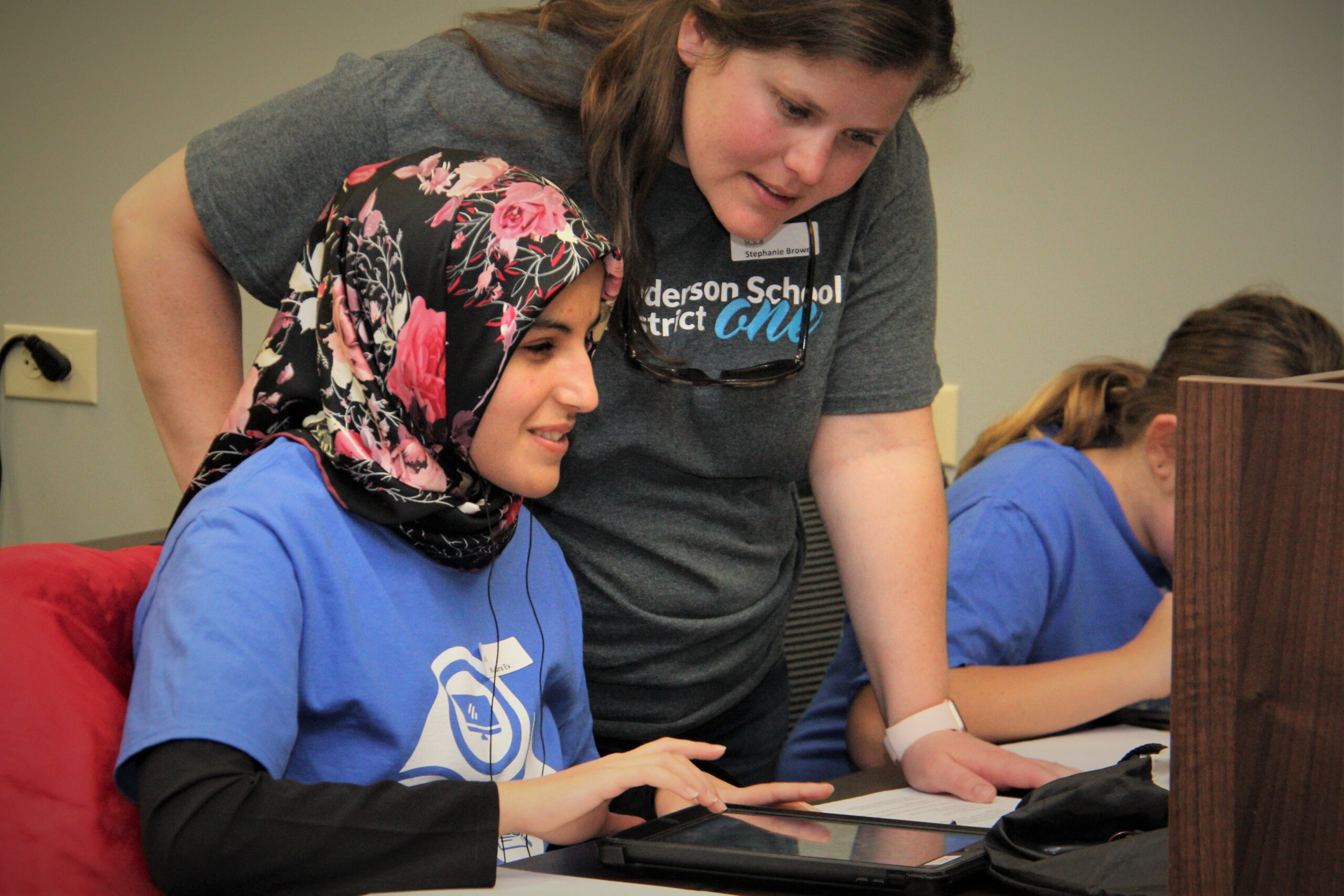
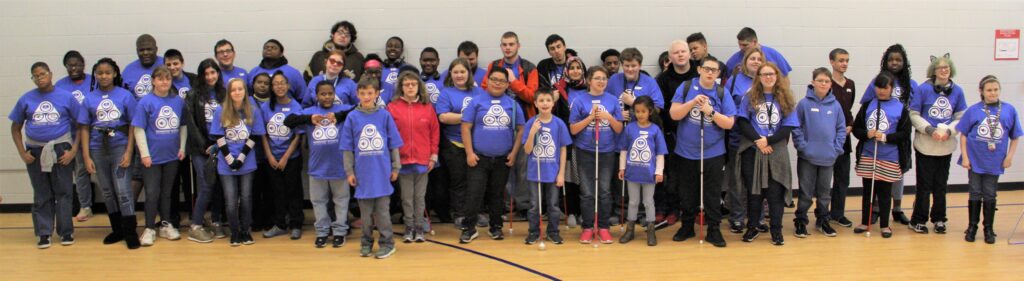
Students from around the state demonstrated their knowledge and expertise with assistive devices at the 8th Technology Olympics, recently held at the South Carolina Commission for the Blind (SCCB) in Columbia.

“Assistive technology helps ensure students who are blind or visually impaired have access to everything their sighted peers have,” says Micko Hughes, Technology Olympics Coordinator at the SC School for the Deaf and the Blind. “This is an opportunity for them to showcase those skills.”

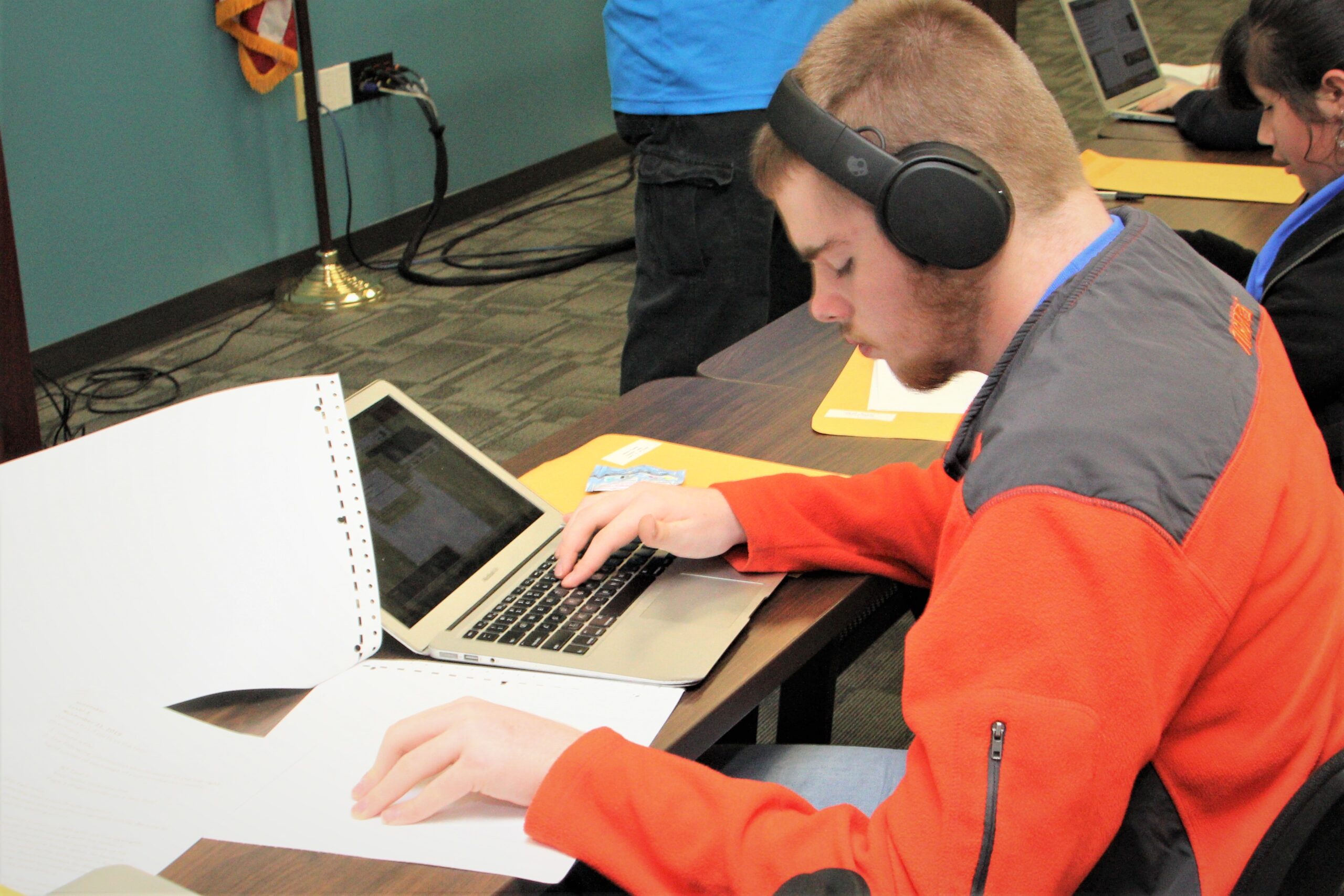
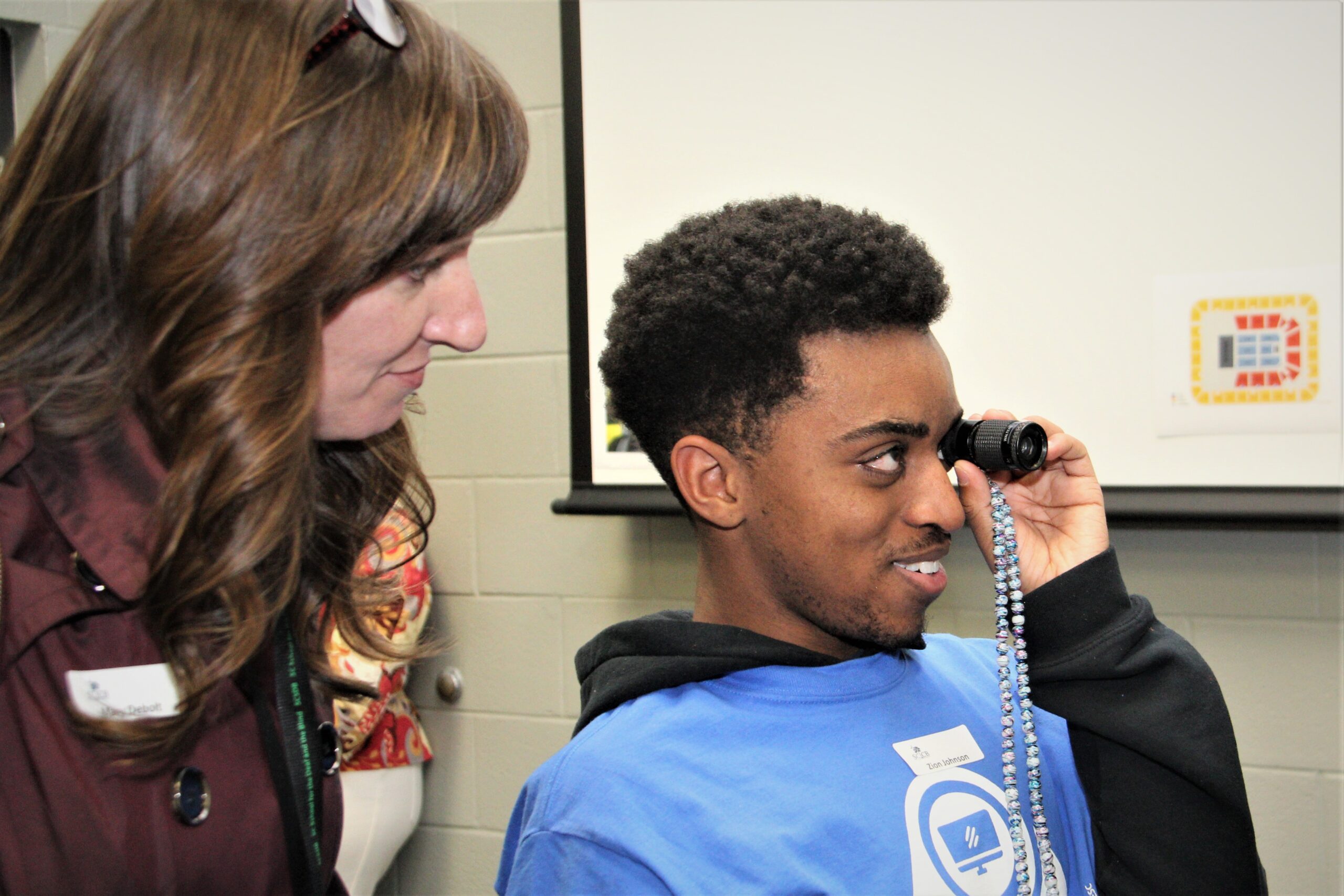
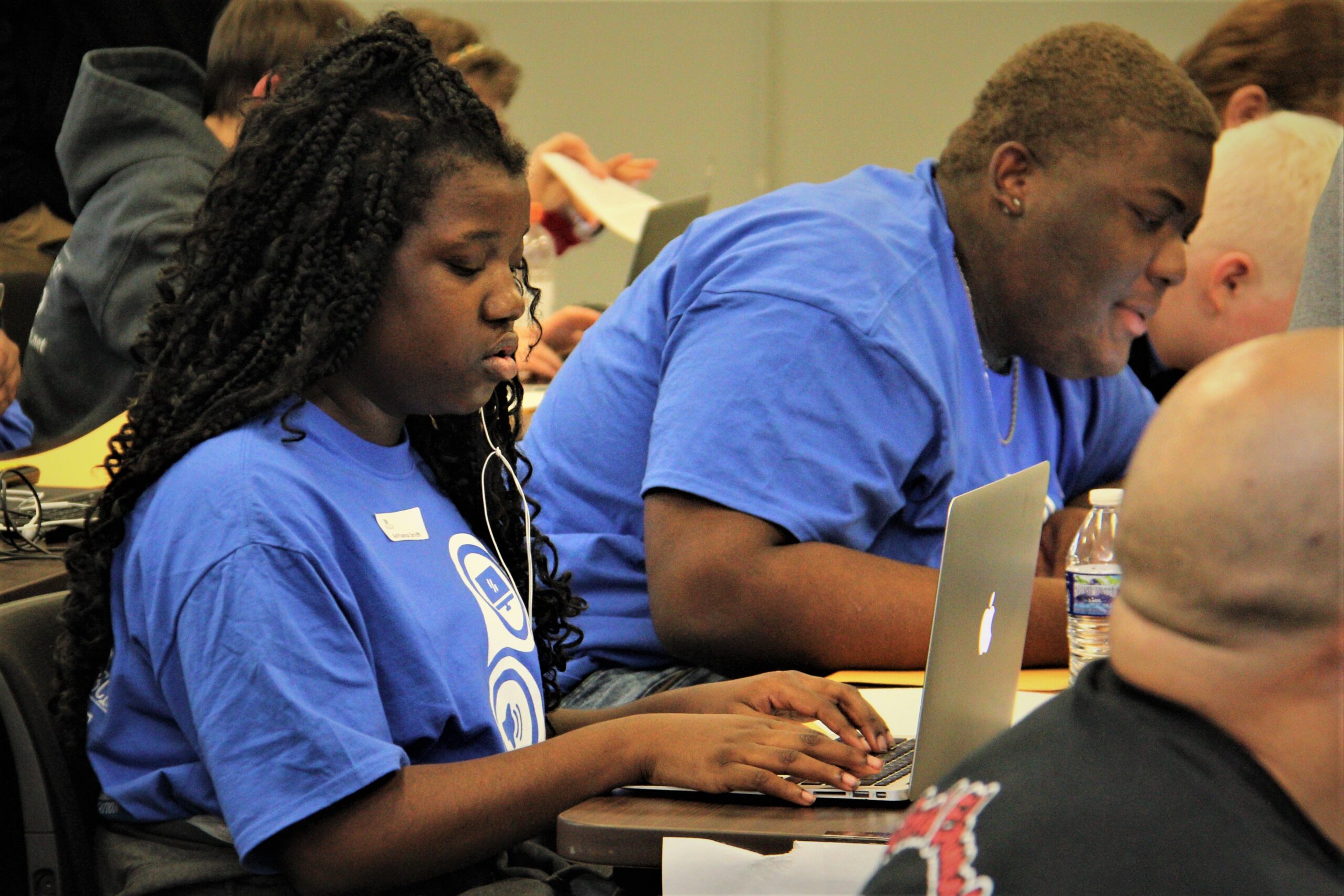
More than 50 students competed in one of three events. In the tablet event, they demonstrated how well they can use an iPad or laptop, including accessibility settings, accessories, and various apps. In note taking, they proofread, analyzed or edited text, and/or compose a document. In magnification, they utilized portable magnification devices to locate information from illustrations or print sources, quickly find keywords in text passages, and record information in print or braille format.

“It’s exciting to see them use their skills and assistive technology in real world situations,” says Kisa Grate, Director of Training and Employment at SCCB.

As students demonstrated their capabilities in using adaptive equipment and technology, they were evaluated based on their individual skill level and received either a bronze, silver or gold medal.

“It’s a big accomplishment and boost to their self-esteem,” says Grate. “The students are so proud and excited when they receive their awards.”

“Each year we see growth in their skill set,” adds Hughes. “Plus, I love the camaraderie I see here. The students really support each other.”

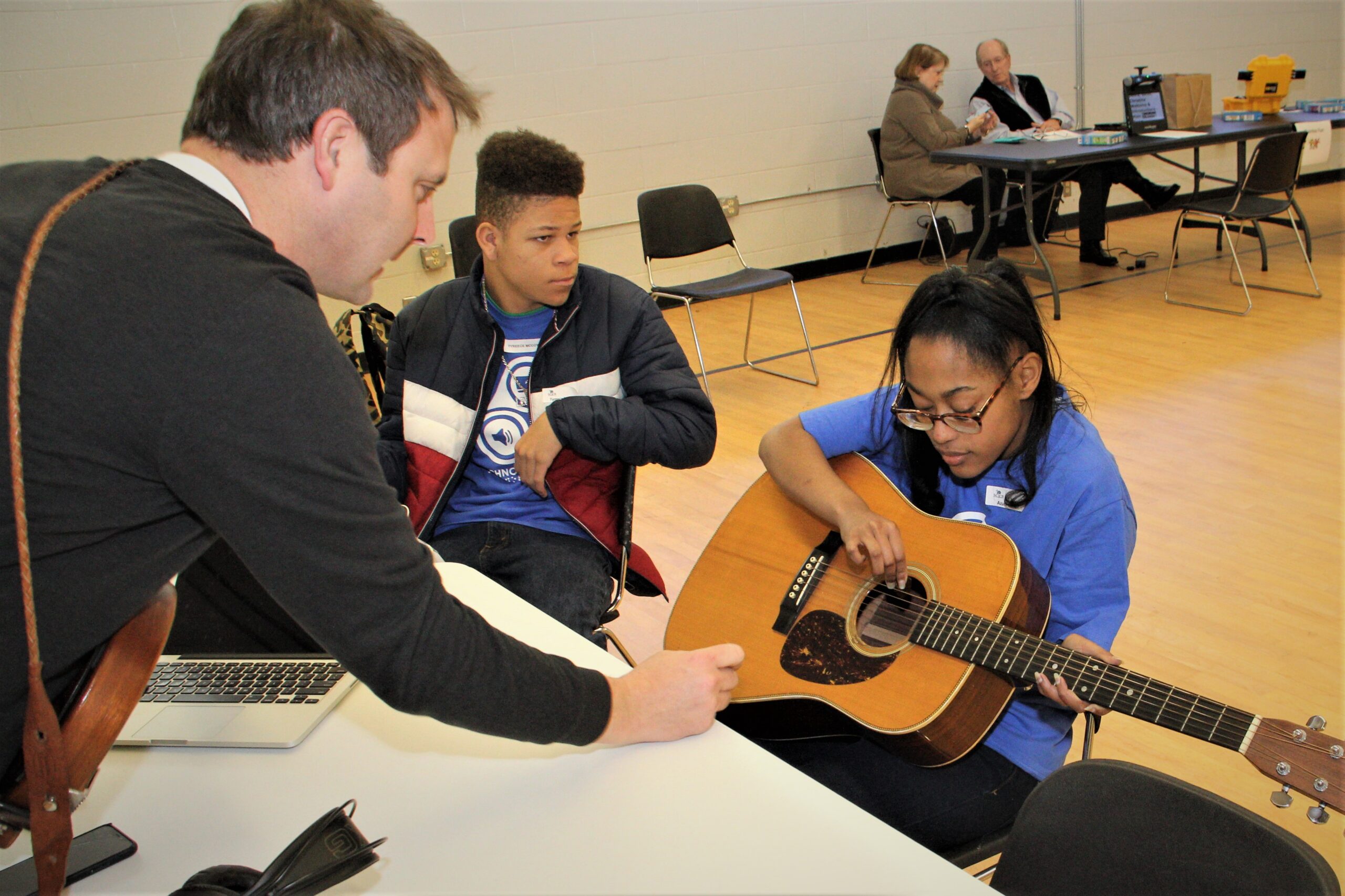
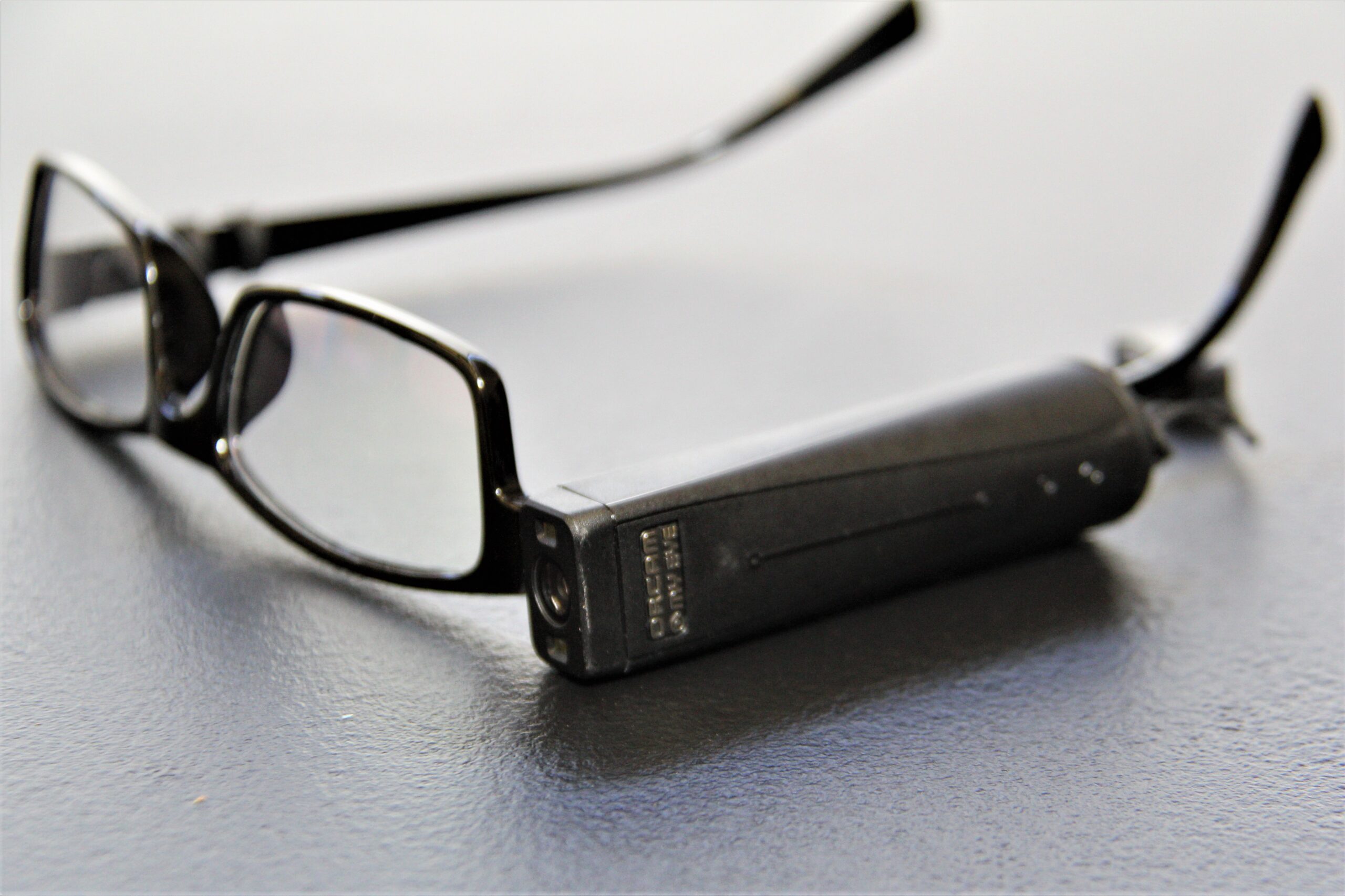
In between events, students had the opportunity to bowl, play boardgames and participate in an interactive story time. Representatives from Quintex Low Vision were on hand to demonstrate optical character recognition devices that can be used to read signs, books, or the labels on items in stores. Additionally, two employees from Apple—part of the Apple Champions program—taught students how to use tools on an iPad or laptop to create and edit music.

The Technology Olympics is open and free of charge to students who are blind or have low vision in grades K-12. It is sponsored by the SC Association for Education and Rehabilitation of the Blind and Visually Impaired, SC Commission for the Blind, SC Department of Education, SC School for the Deaf and the Blind Division of Statewide Outreach Services, and the University of South Carolina Upstate.